
Named to their makers
The masters
Five masters, each the keeper of a craft held across generations. Every masterwork in the salon is named to the hands that made it — here are the people behind them.
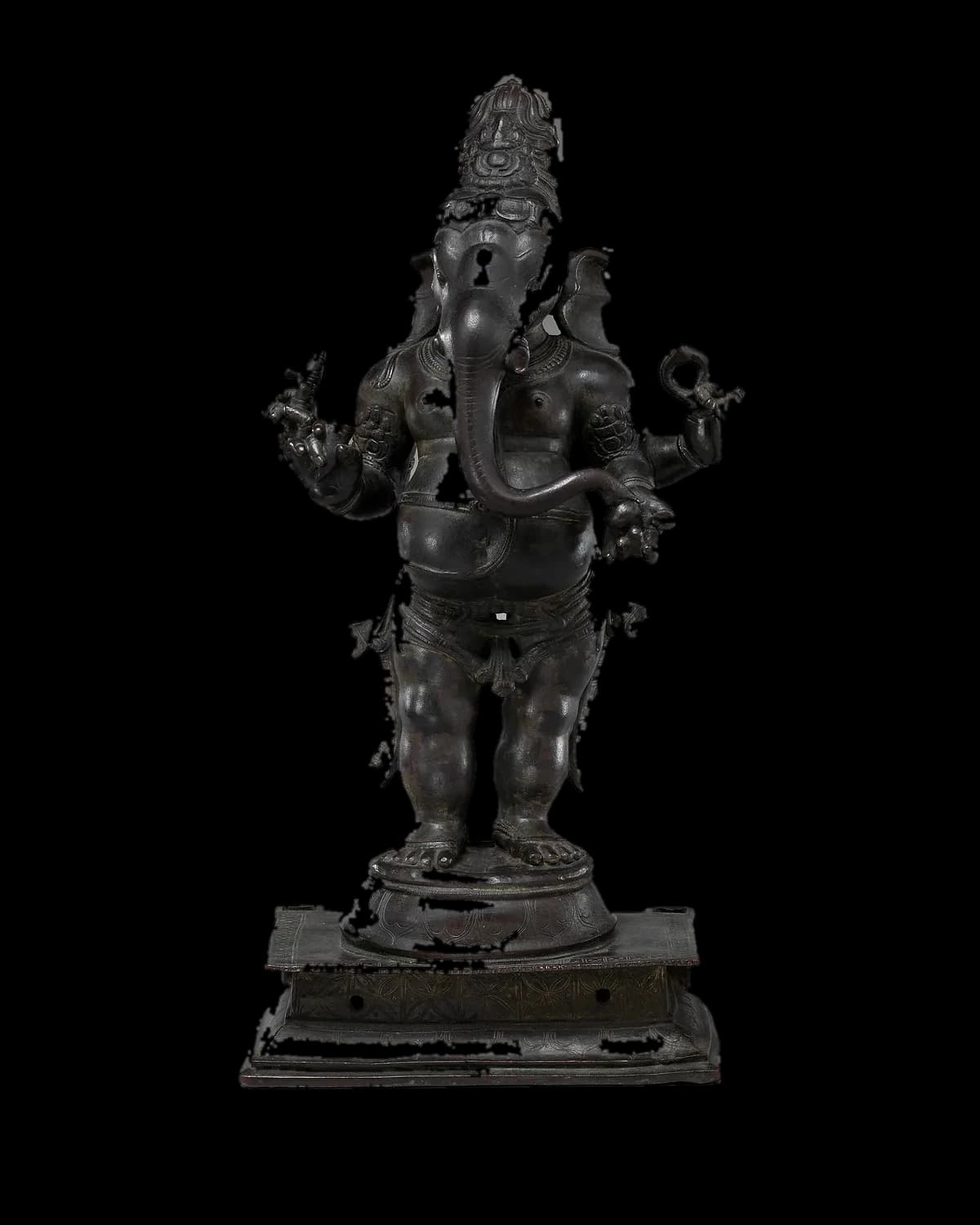
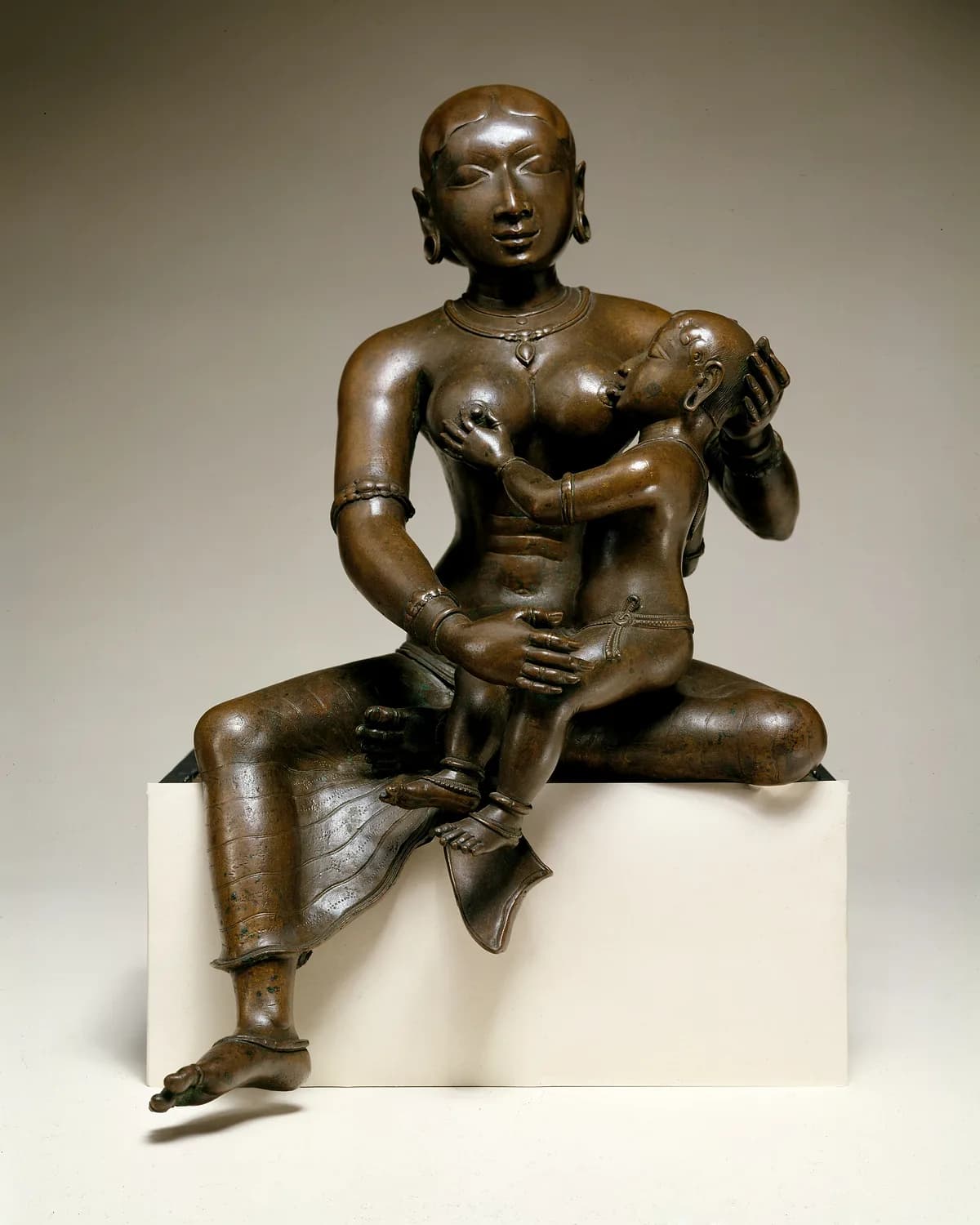
Rajendra Mahto
Dhokra bronze · Bastar, Chhattisgarh
Casts by the lost-wax method the Dhokra smiths of Bastar have kept for over four thousand years — each mould broken in the making, so no two are alike.
Masterworks
- I.Dhokra Mother and Child, Lost-Wax Bronze₹72,00,000
- II.Dhokra Ganesha, Lost-Wax Bronze₹48,00,000
- V.Dhokra Standing Figure on a Lotus Base₹36,00,000
माँ और शिशु — ढोकरा कांस्य प्रतिमा
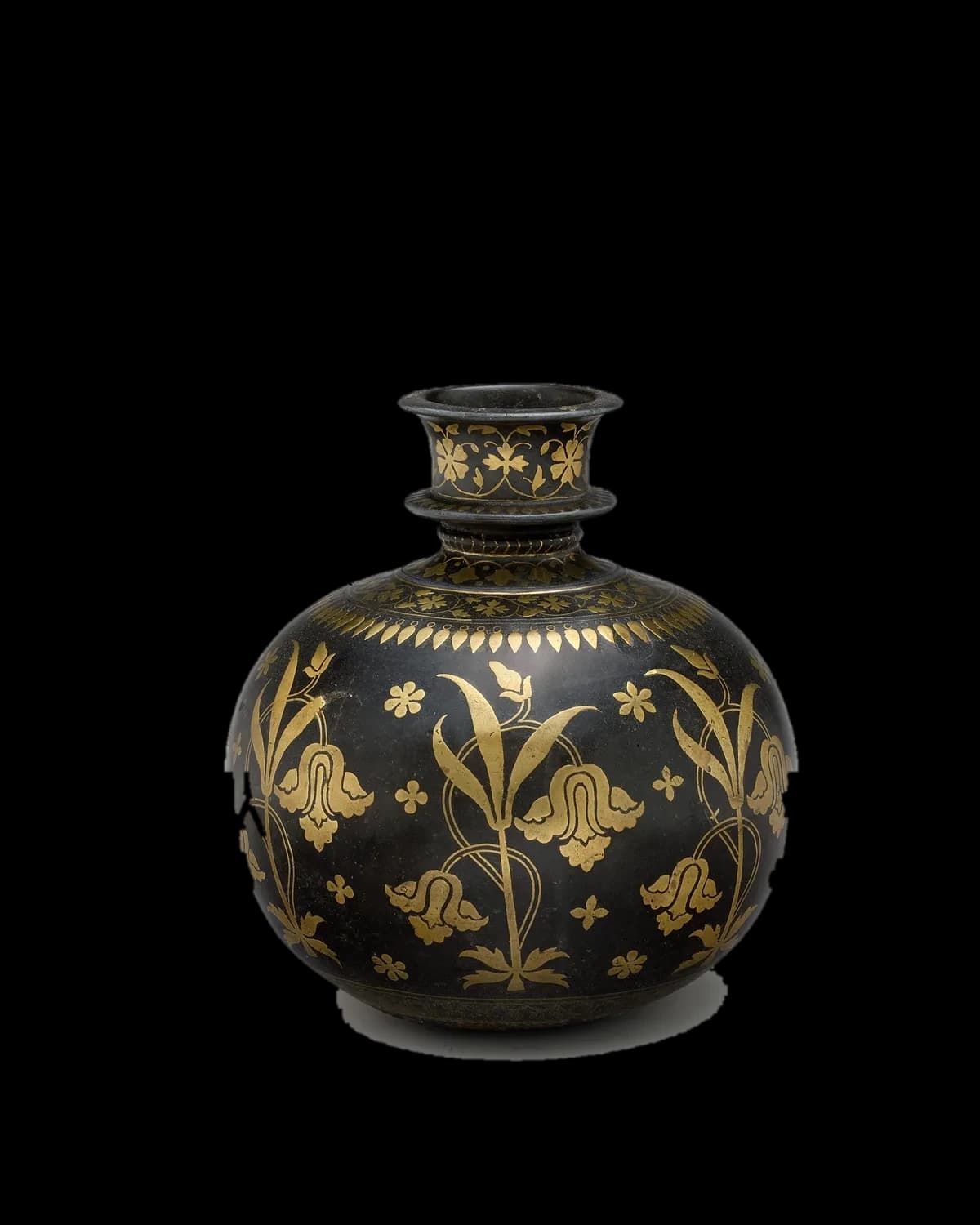
Muhammad Ali
Bidriware · Bidar, Karnataka
Works Bidri as Bidar has since the fourteenth century — engraving a zinc alloy by hand, inlaying fine silver, then darkening the metal with soil from the old fort until the silver shines.
Masterworks
- III.Bidri Vase with Silver Floral Inlay₹45,00,000
- IV.Bidri Swan Vessel₹39,00,000
- VIII.Bidri Lidded Box with Silver Inlay₹28,00,000
ಬೆಳ್ಳಿ ಹೂವಿನ ಕುಸುರಿಯ ಬಿದರಿ ಹೂದಾನಿ
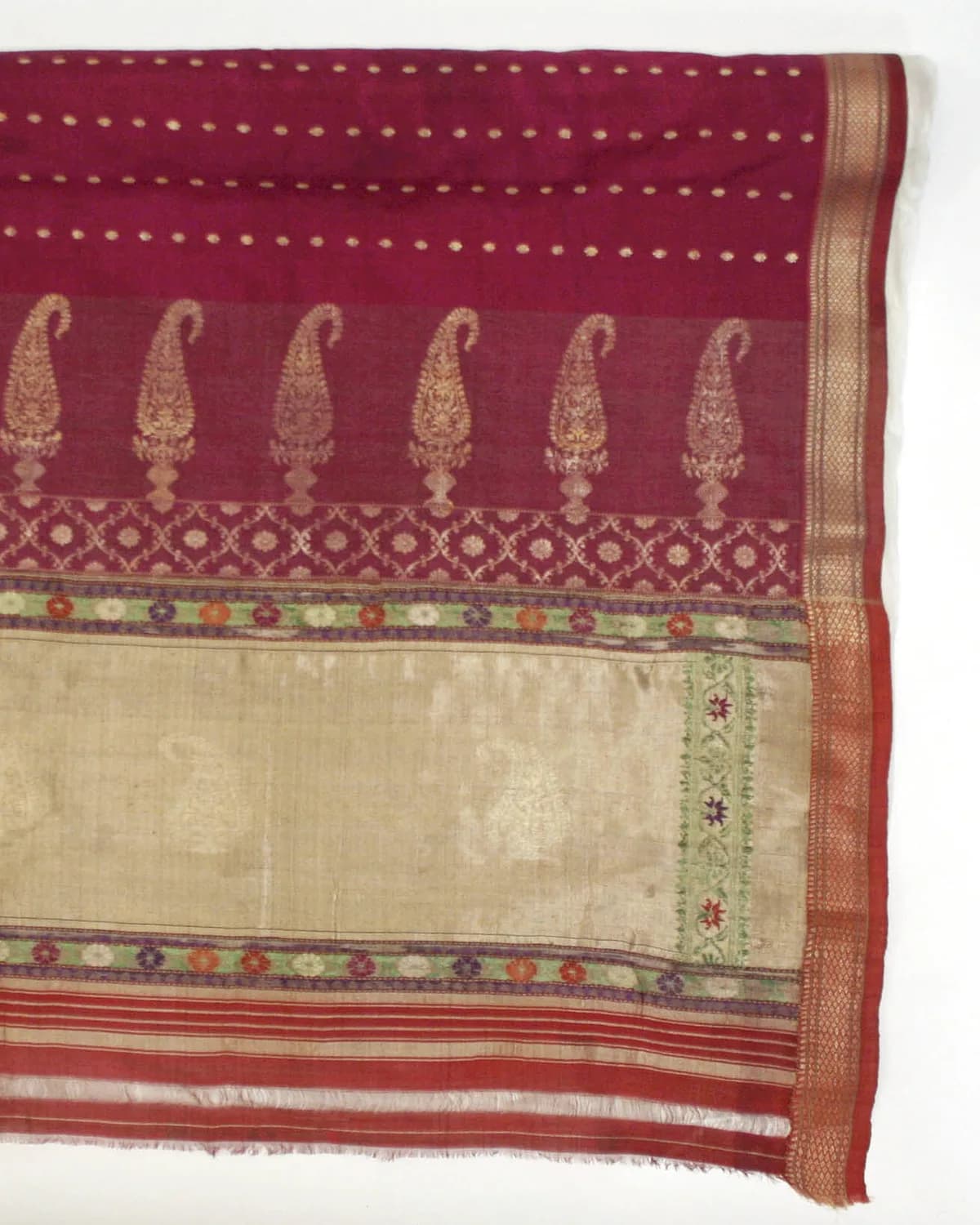
Lakshmi Ammayi
Kanchipuram silk · Kanchipuram, Tamil Nadu
Weaves on a pit loom, interlocking body and temple border by hand so the border can never come apart, with zari of silk wrapped in silver and dipped in gold.
Masterworks
கோயில் கரை காஞ்சிபுரம் திருமணப் பட்டுப் புடவை
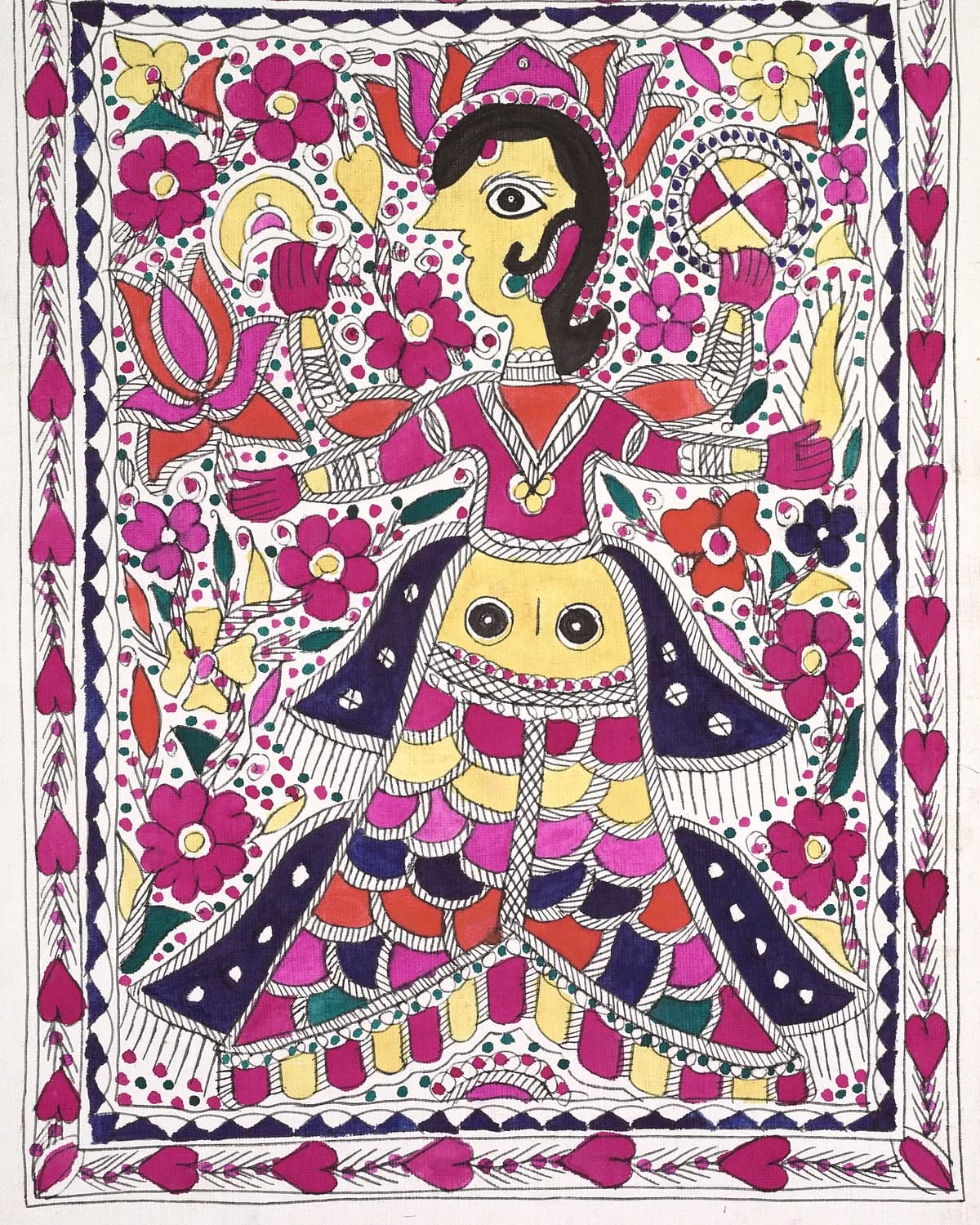
Madhuri Devi
Madhubani · Mithila, Bihar
Paints in Mithila with a bamboo nib and natural colours — lamp black, turmeric, indigo and flowers — in line work passed from mother to daughter for generations.
Masterworks
मछली और कमल — मधुबनी चित्र
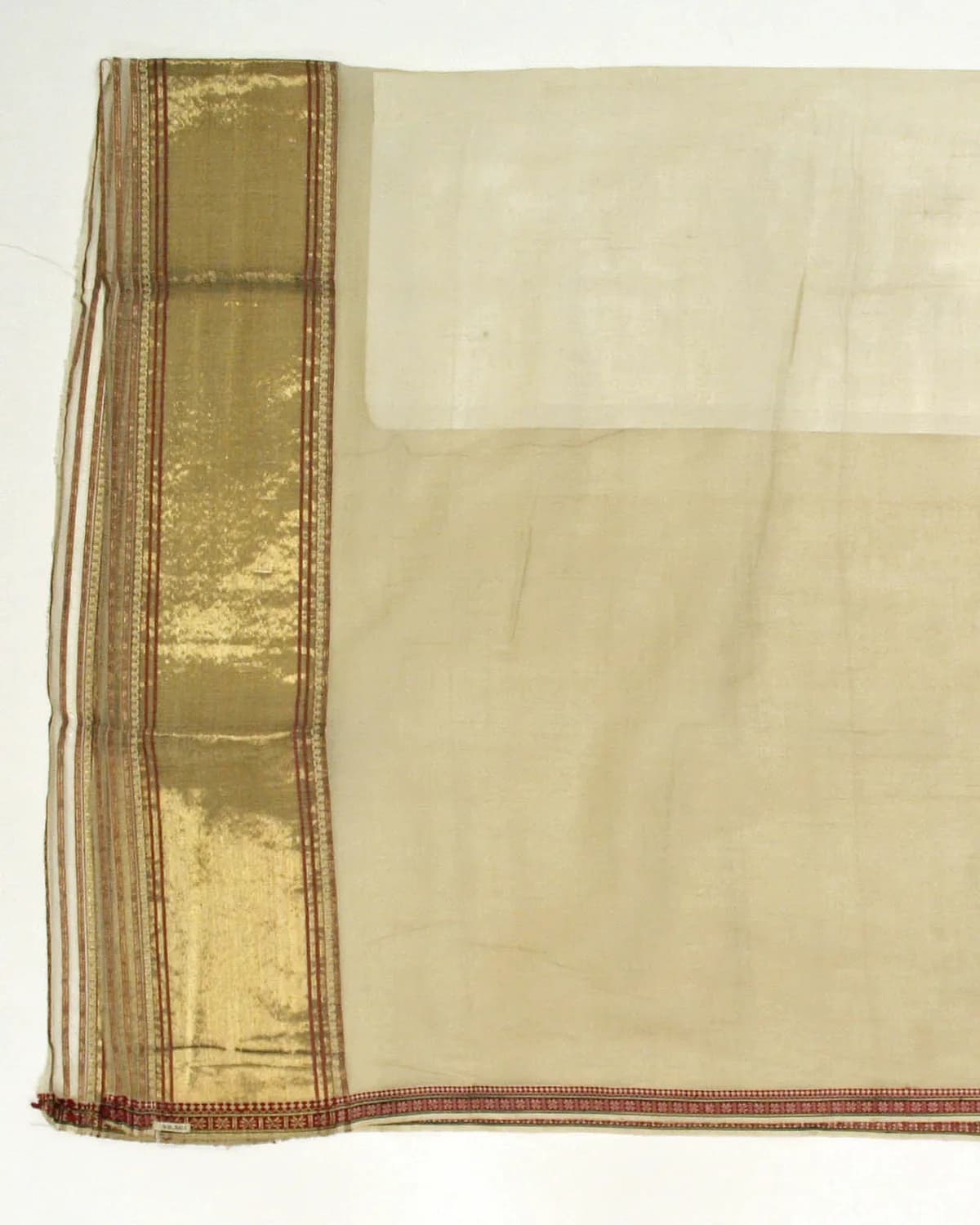
Priya Singh
Chanderi · Chanderi, Madhya Pradesh
Weaves Chanderi from fine silk and cotton, light enough to see through, with a border of real gold zari woven in by hand.
Knowledge hub
The five crafts, defined
Five living traditions stand behind the salon’s masterworks. Each definition below is drawn from how the masters themselves work — with a pronunciation guide and a reference for further reading.
Dhokra bronze
Pronounced DOH-kraa
- Dhokra is non-ferrous metal casting made by the lost-wax method, in which a beeswax model is encased in river clay and replaced by molten bronze, so every mould is broken in the making and no two castings are alike.
- Practised by the Dhokra smiths of Bastar, Chhattisgarh for over four thousand years. Read more
Bidriware
Pronounced BID-ree-waar
- Bidriware is a metal handicraft in which a cast zinc alloy is engraved by hand, inlaid with fine silver, and then darkened with soil from the old fort of Bidar until the metal turns black and the silver shines.
- Worked in Bidar, Karnataka as it has been since the fourteenth century. Read more
Kanchipuram silk
Pronounced KAAN-chee-pur-am
- A Kanchipuram silk saree is a hand-woven mulberry-silk saree whose body and temple border are woven separately and interlocked by hand, so the border can never come apart, with zari of silk thread wrapped in silver and dipped in gold.
- Woven on pit looms in Kanchipuram, Tamil Nadu. Read more
Madhubani
Pronounced MAD-hoo-bah-nee
- Madhubani, or Mithila painting, is a folk art made with a bamboo nib and natural colours — lamp black, turmeric, indigo and flowers — in line work the women of the region have passed from mother to daughter for generations.
- Painted in the Mithila region of Bihar. Read more
Chanderi
Pronounced CHUN-deh-ree
- Chanderi is a sheer handwoven fabric of fine silk and cotton, light enough to see through, with a border of real gold zari woven in by hand.
- Woven in Chanderi, Madhya Pradesh. Read more
One master, one masterwork, one person to speak to.
Request a private viewing